 Competitive Robotics Stream
FIRST Tech Challenge

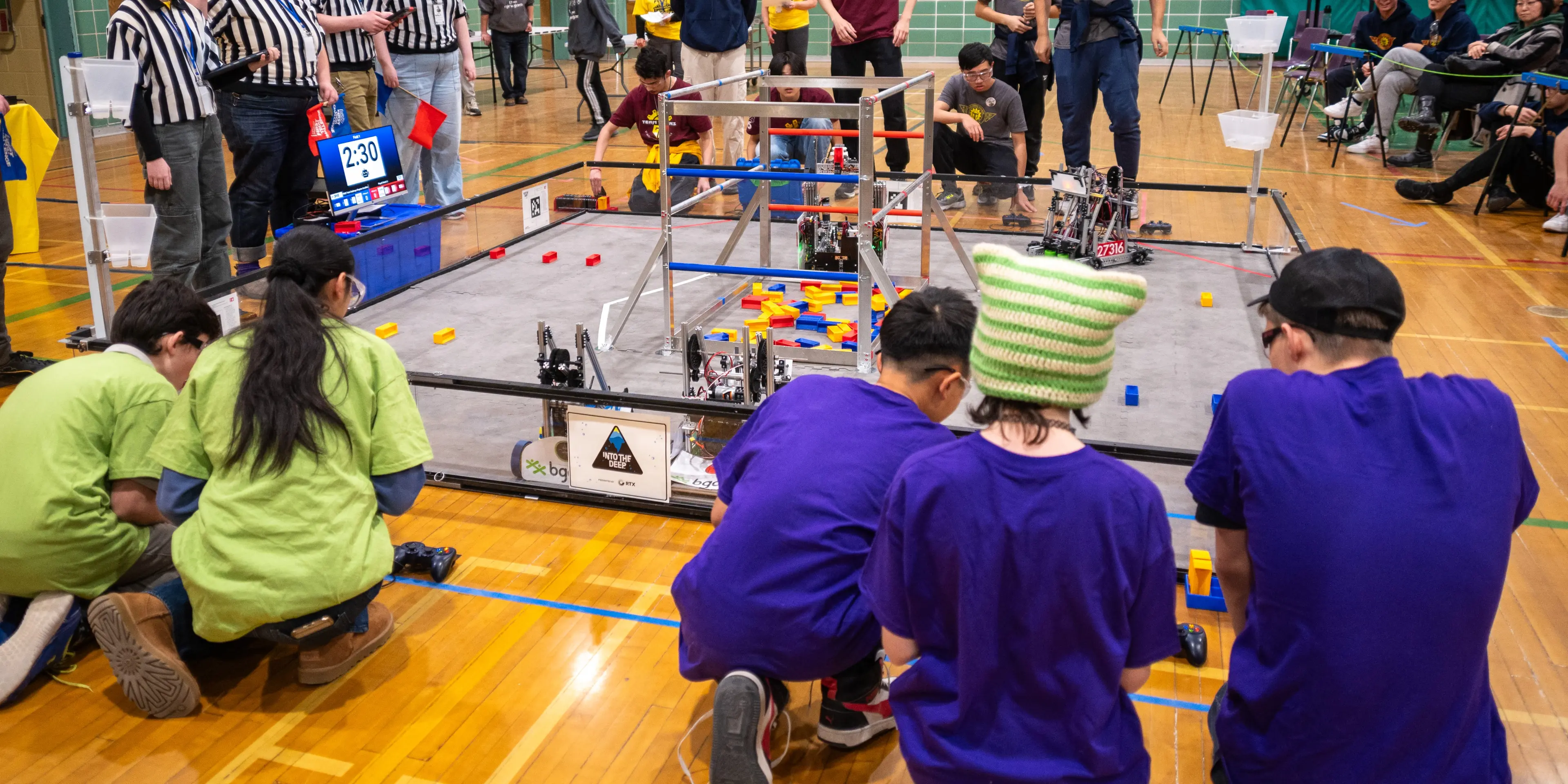
FIRST Tech Competition is BGC's intermediate robotics offering. Every year the team is given a new challenge, and in just 8 weeks students design, manufacture, build, program, and iterate a medium-sized metal robot. Students learn to build robots through direct support from staff instructors and dedicated volunteer mentors, who share their extensive technical expertise. The FTC program is really a team sport. Students will spend multiple years on their team, building lasting friendships with their teammates.
While past experience helps in getting started and competition results, no experience is necessary. Anyone who wants to start building and competing with robots can join. The most important thing is a desired to learn.
At a Glance
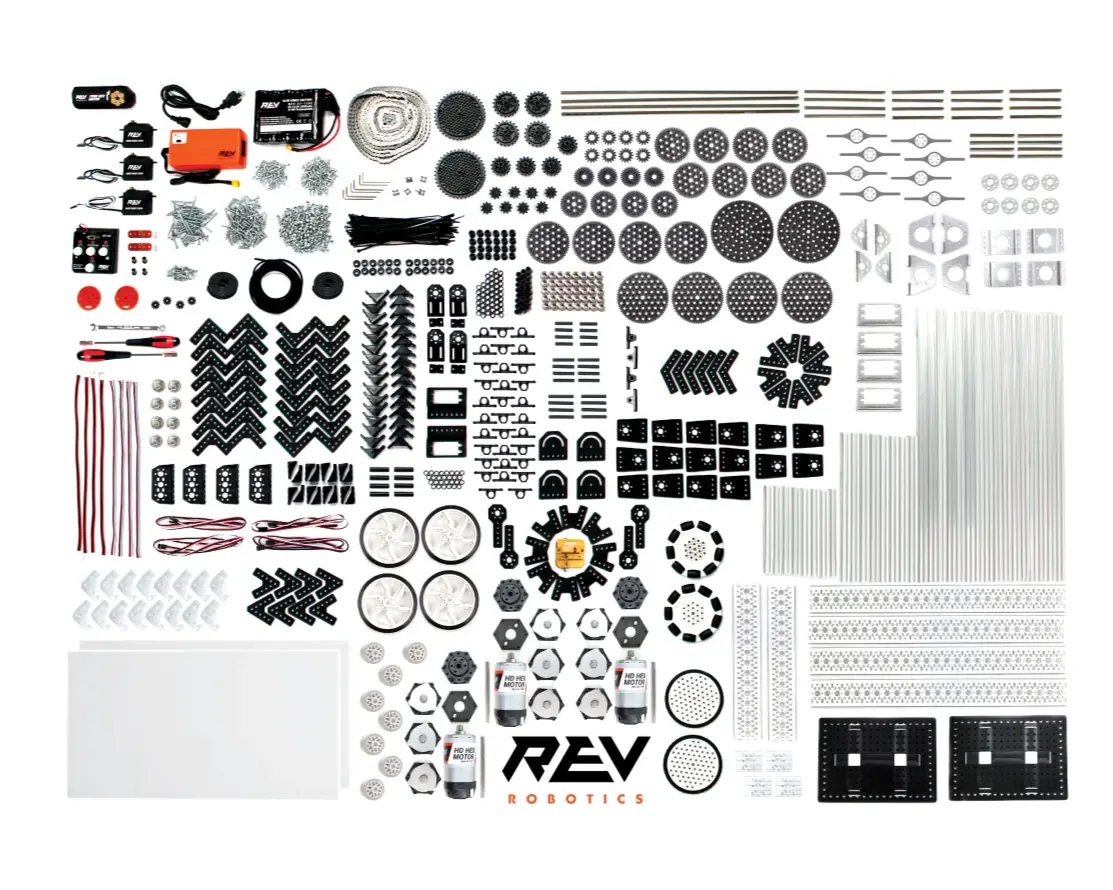
Kit-Based System
FTC Robots are built on top of a metal build system kit
This provides a very easy starting point, as students can just start building by feel and intuition like LEGO, while still working with real metal parts
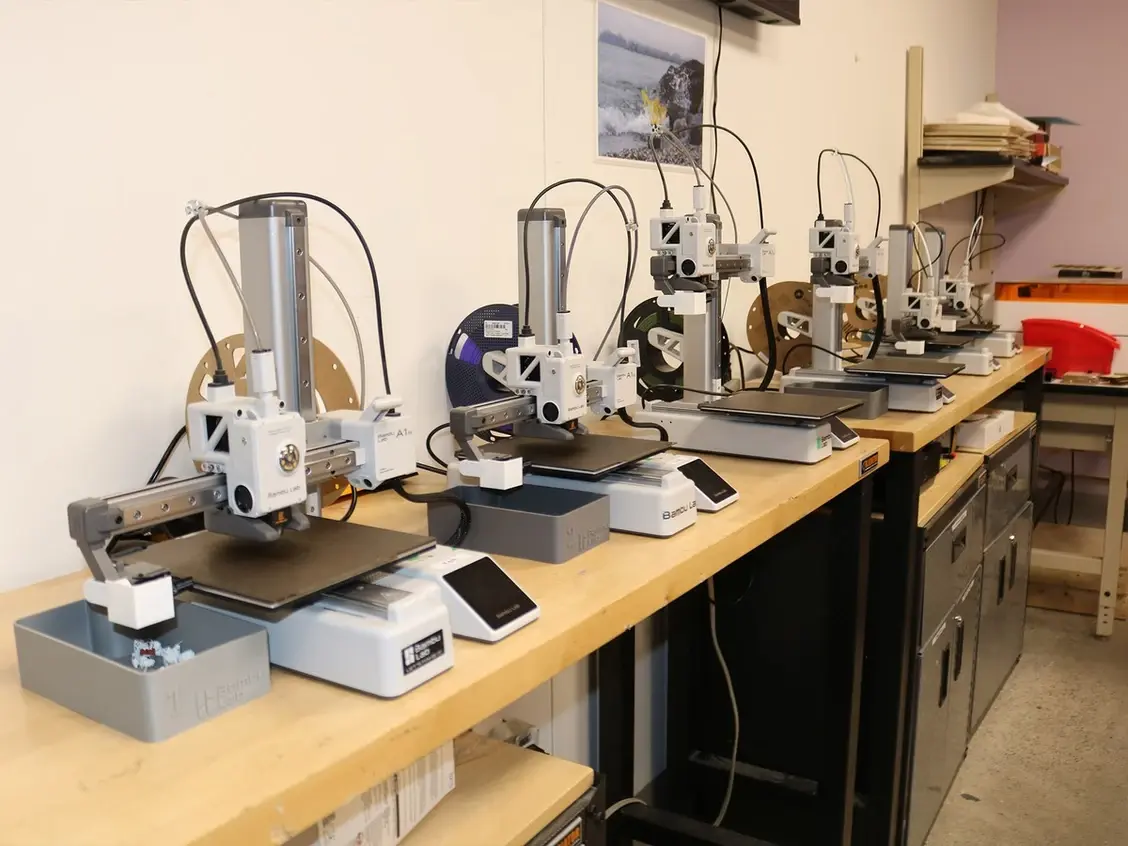
3D Printing
3D printing is used extensively in FTC for custom parts
It allows for quickly making adapters, brackets, pulleys, and much more. While FTC loads are generally low-enough to use common materials, engineering filaments are used when needed.
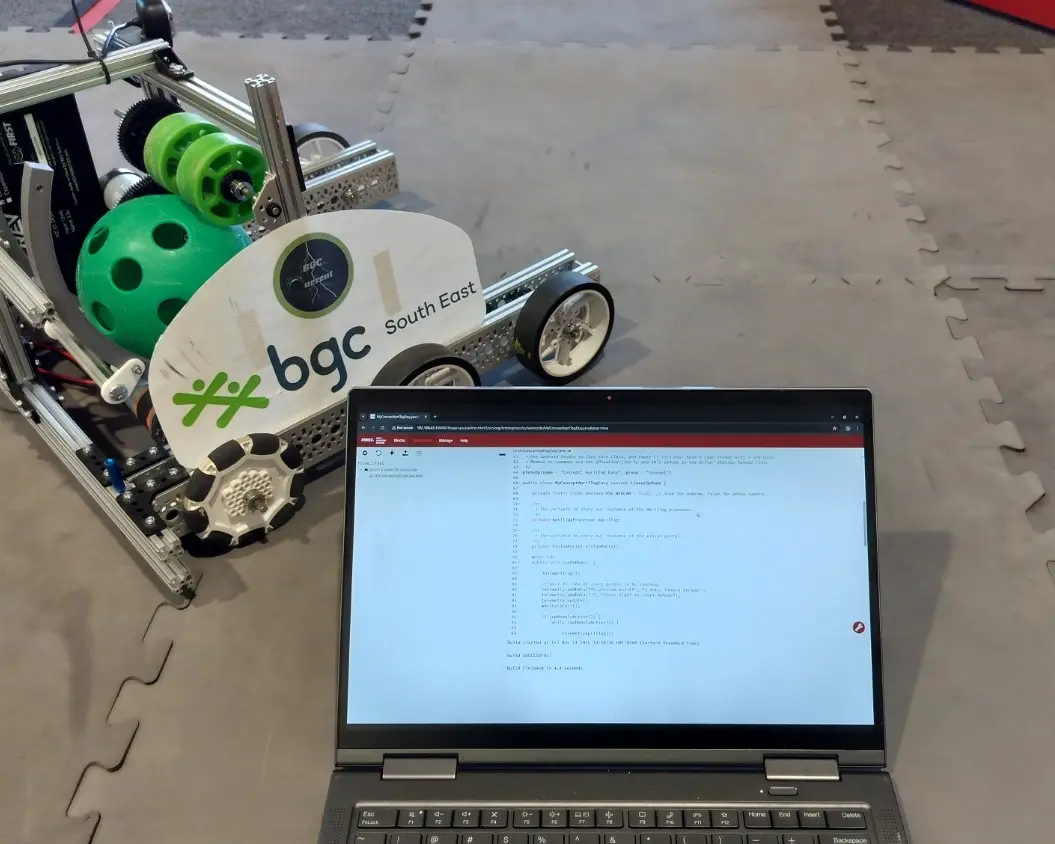
Java Programming
FTC robots have are programmed in Java, or a block system that closely matches it
Students develop the logic needed for systems like arms, claws, and flywheels, driver control, and autonomous movement
Computer Vision
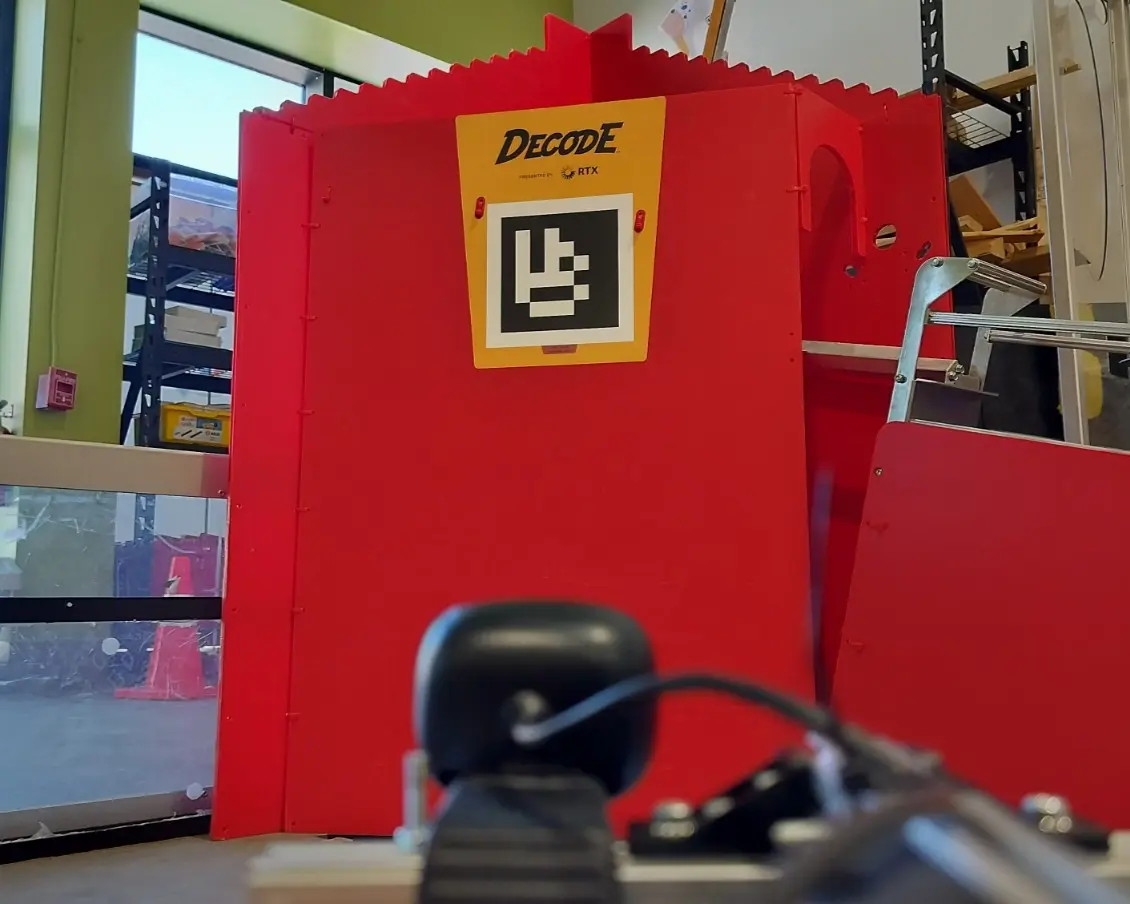
Computer vision is available for FTC robots.
Industry-standard AprilTag markers are placed around the field, and can be used to align with goals. Their value generally varies year-to-year.
2-on-2 Matches
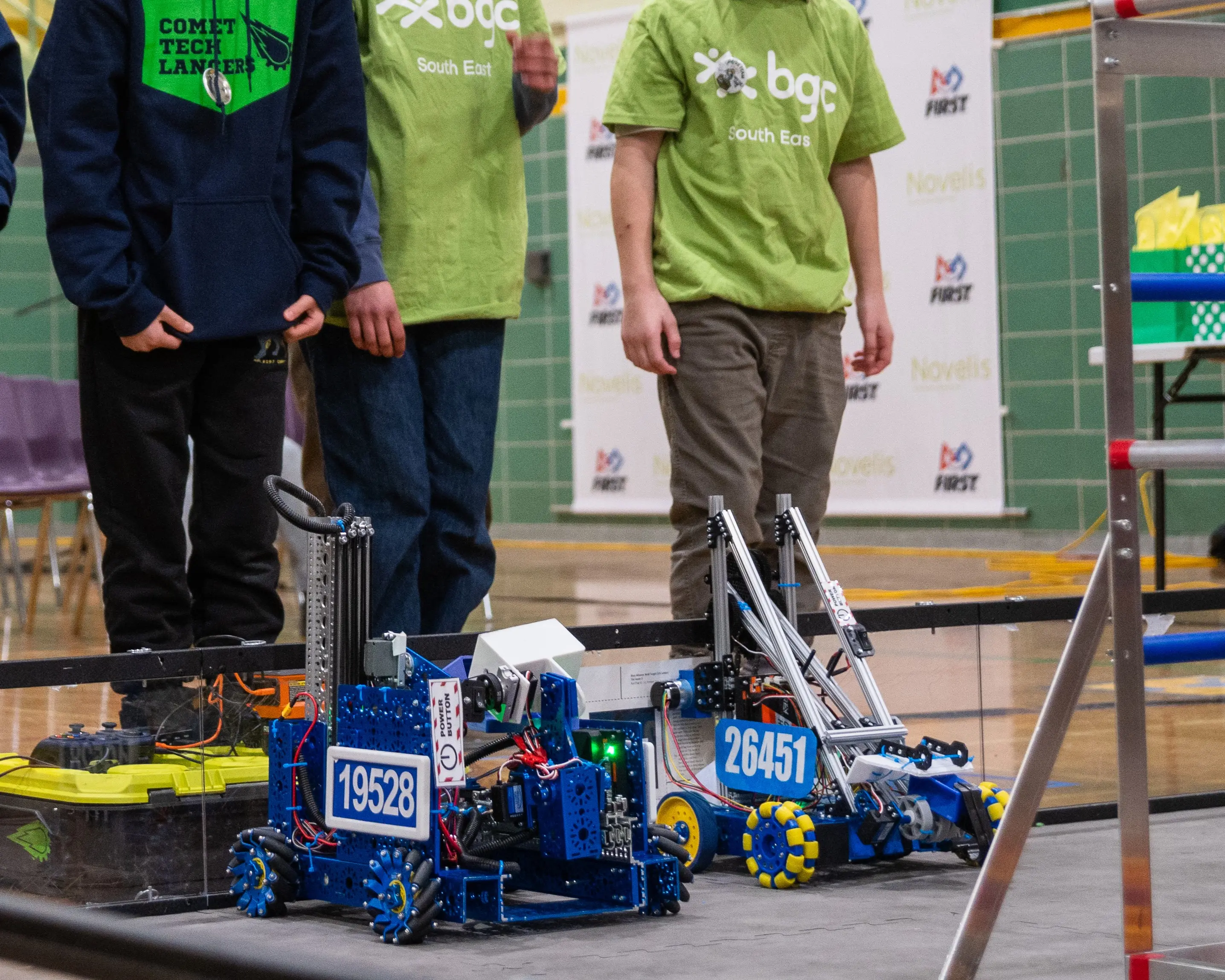
Robots play competition matches in a 2-on-2 format
Matches have fast pacing, and some robot-to-robot interaction. Collisions are generally gentler and rarely cause damage. The rotating 2-on-2 alliances also give the opportunity to play both with and against teams from across the province
3D Modelled Parts
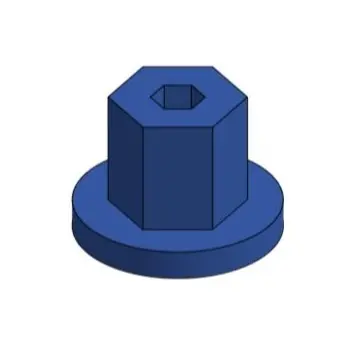
Individual parts are modelled as-needed
Modelling parts allows for them to be 3D printed or machined in our shop. The more interest students have in modelling, the more of the robot we can model.
Machine Shop Access
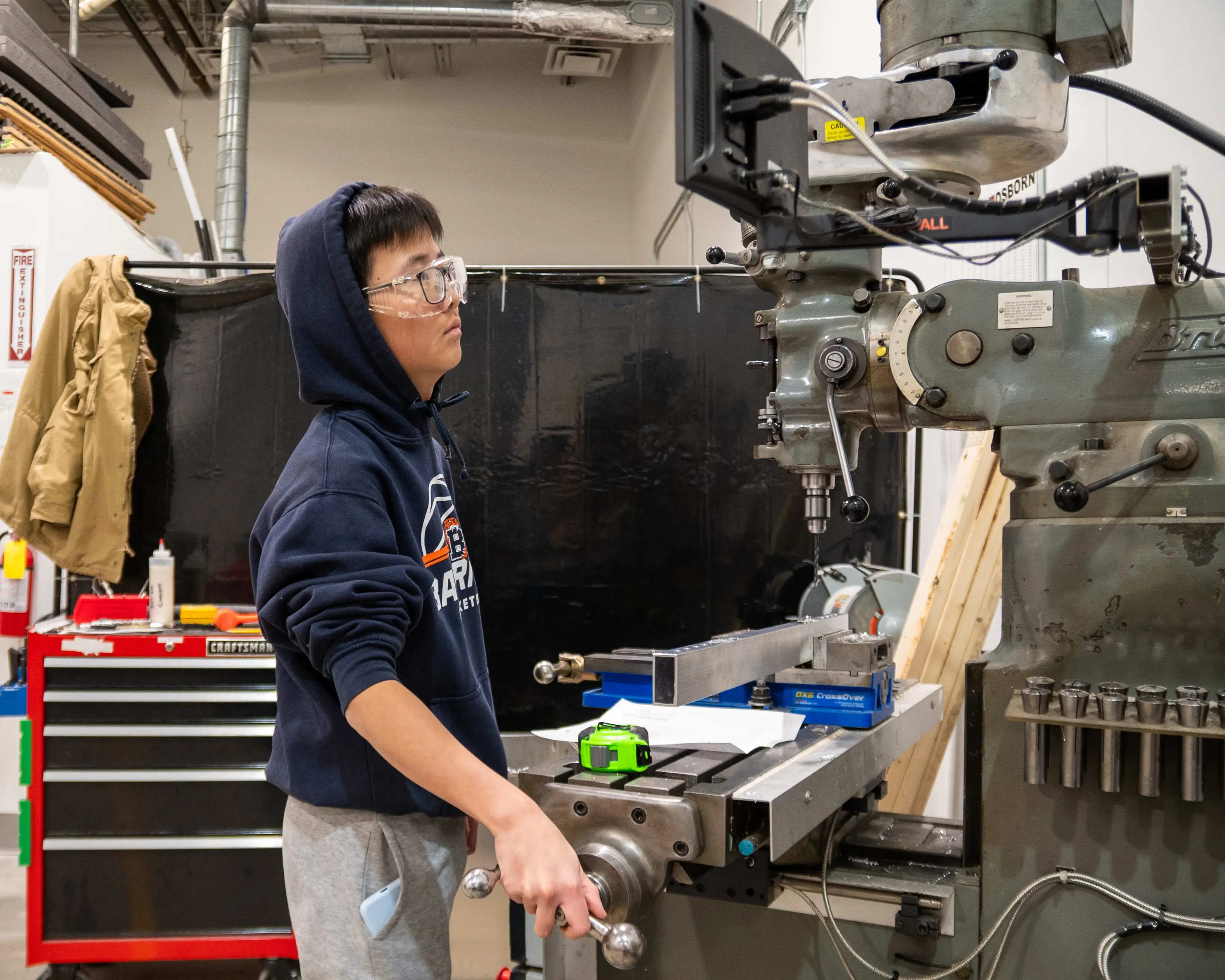
While the kit and 3D printed parts are usually enough, FTC teams can use our machine shop
Cutting metal to length, making simple brackets, or even fully CNC-machining custom metal and plastic plates are all possible if the design requires
Engineering Portfolio
Students develop an engineering portfolio throughout the season
The portfolio is part of a presentation to judges used for determining various awards. It provides a great opportunity to get real experience with documenting the design process.
Season Timeline
Dates are based on anticipated 2026 dates for illustration purposes. Actual dates vary year-to-year and aren't known until September
The FTC season has a couple of phases.Build Season
The majority of the time is spent building the robots with our twice weekly sessions.Competition Season
As competition dates get closer, we'll look into adding more sessions as-needed. Extra sessions will always be optional, but students will likely want the time to work.Post Season
Once competitions are done, we'll wind up the season before winter break.Competitions
Competitions are the focal point of the FTC program. It's our chance to show what we've build, improve it as we go, and meet all the other teams building for the same challenge.
FTC Qualifiers are single-day Saturday events, with up to 24 local teams.
Kingston Qualifier
We'll attend one event in Kingston, making it accessible for everyone without needing to travel.
The event is hosted at LCVI, and we're expecting it will be in mid December
Ottawa Qualifier
At least one team will attend the Ottawa qualifier. If more students are able to travel, then more teams will attend.
The event is hosted at Earl of March Secondary School, and we're expecting it will be in early December
There is also an FTC Provincial Championship in late February which rotates around the province. There are only 36 slots, so it's very unlikely our teams qualify. However if we do qualify, we'll asses the interest in continuing on in the winter and plan accordingly.
Attending travel competitions is not required to be a part of the team. Most of what we do happens in the shop, and while competitions are an amazing experience you can get most of the program's value without ever travelling.
Join The Teams!
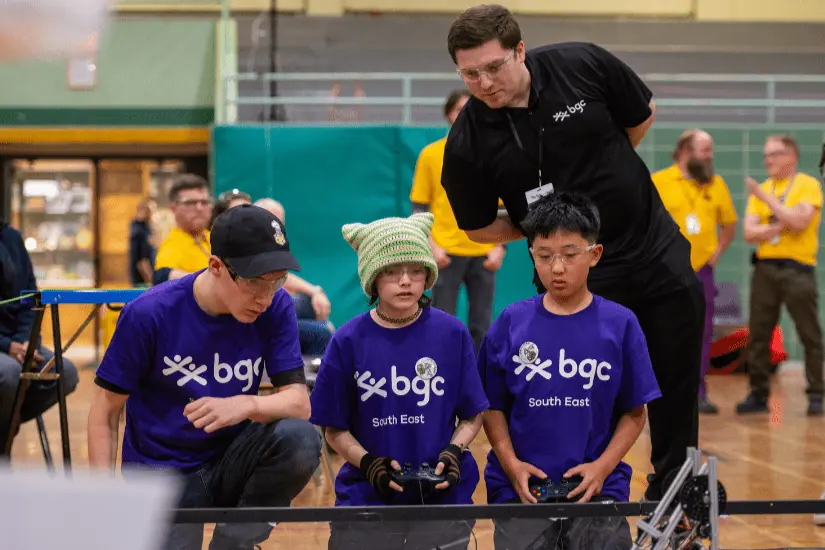
BGC Runs multiple FTC teams as a part of our program to provide opportunities to as many students as possible.
Teams are based on students' preferences, design goals, and travel interest. We'll send out a survey before the first session to guide the decisions, and can make adjustments throughout the first few weeks.
You can sign up for the program on BGC's Avocado platform during the registration window, while space lasts.
Sign up on Avocado 🥑
FTC is open to students in grades 9-12. However, younger students who've done other programs with us can reach out and ask to join. Permission is granted on a case-by-case basis, based on past programs experience and remaining space in the program.
Any questions? Feel free to reach out to roboticslead@bgcsoutheast.ca.